Physics
Introduction to Electrostatics
Subject
PhysicsStudent
Guest UserStatus
Not Started
0 of 1 Lessons Completed
0%
Topic Content
Electrostatics deals with static electric charges, the forces between them and the effects produced in the form of electric fields and electric potentials.
Electric Charge
Electric charge is a fundamental property of matter that causes it to experience a force when placed in an electric or magnetic field. It is the source of electric force and is carried by particles like electrons and protons.
There are two types of electric charges:
- Positive Charge:
- Caused by loss of electron
- Example: Glass rod rubbed with silk becomes positively charged.
- Negative Charge:
- Developed by gain of electron.
- Example: Plastic rod rubbed with wool becomes negatively charged.
Basic Properties of Electric Charge
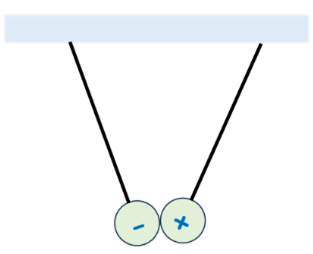
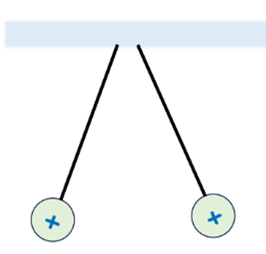
- Like charges repel; unlike charges attract.
- Positive ↔ Positive: Repel
- Negative ↔ Negative: Repel
- Positive ↔ Negative: Attract
- Charge is additive
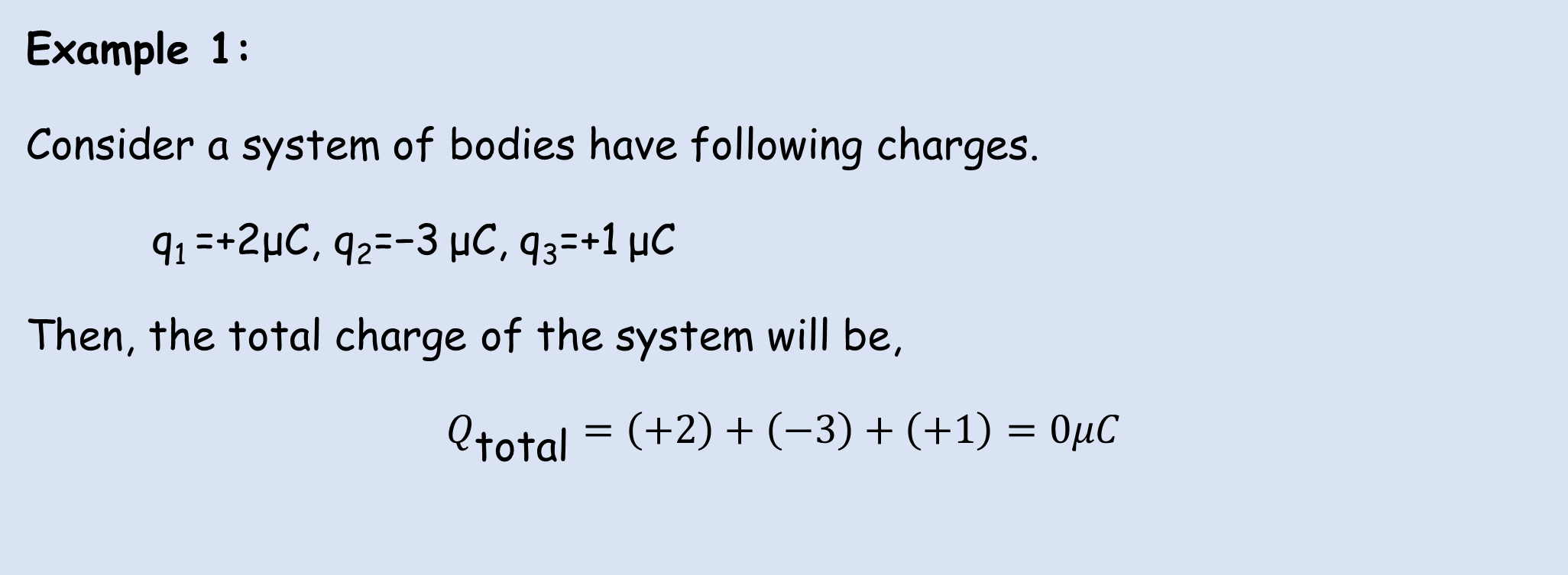
If multiple charged objects are present, the net (total) charge is found by adding the signs and magnitudes of all charges:
- Electric charge can neither be created nor destroyed, only transferred from one body to another.
- 2. Charge is quantized:
- The smallest unit of charge is the charge on an electron (e = -1.6 × 10⁻¹⁹ C).
- All charges are integer multiples of this basic unit.
- That means q=n⋅e